
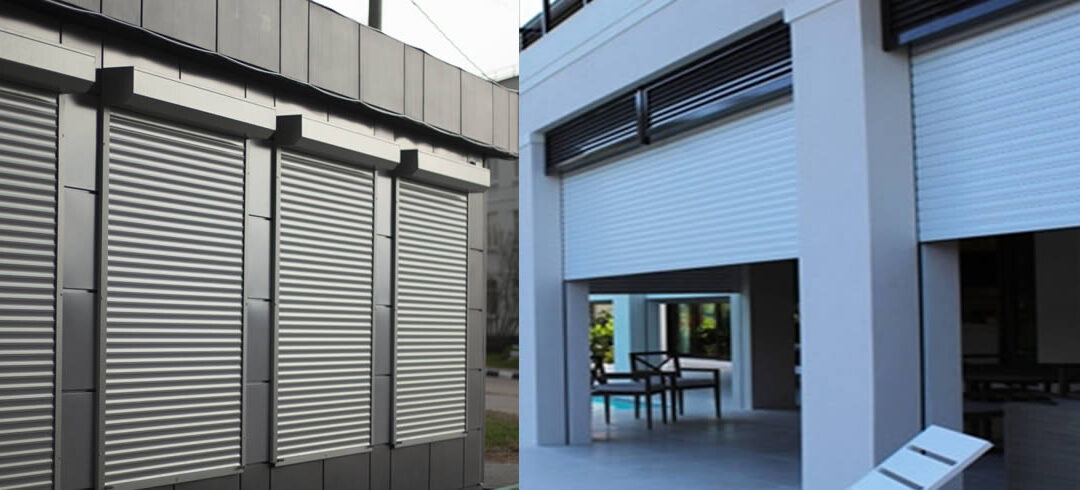
Texas homeowners shopping for exterior protection often run into a common point of confusion: security shutters and hurricane shutters look similar, but they’re not the same thing. While both protect windows and doors, they’re designed for different primary purposes. Choosing the right option depends on whether your main concern is break-ins, severe weather, or a combination of both.
This comparison breaks down the key differences so you can make a confident, informed decision.
The Core Difference at a Glance
The simplest way to understand the distinction is this:
- Security shutters are designed first for intrusion protection, with storm resistance as a secondary benefit.
- Hurricane shutters are designed first for storm and impact protection, with limited security benefits.
Some systems overlap, but the intent behind the engineering matters.
What Security Shutters Are Designed to Do
Security shutters are built to physically stop forced entry. They are typically constructed from reinforced aluminum and designed to resist prying, kicking, and impact. When fully closed, they create a solid barrier between the exterior and the glass beneath.
Most security shutters are roll-down systems, either manual or motorized, and lock into place along side tracks. This locking mechanism is critical—it prevents the shutter from being lifted or forced open from the outside.
Because of their strength, many security shutters also provide excellent storm protection, but their standout feature is crime deterrence. The visual presence alone often discourages break-in attempts before they start.
Security shutters are commonly chosen for:
- Homes in higher-crime areas
- Ground-level windows and doors
- Vacation or second homes
- Storefronts and residential properties alike
What Hurricane Shutters Are Designed to Do
Hurricane shutters are engineered to protect against wind, flying debris, and pressure changes during severe storms. Their primary goal is to prevent window failure, which can lead to catastrophic structural damage during hurricanes.
There are several common styles of hurricane shutters, including accordion, panel, Bahama, and colonial styles. While they are strong enough to handle impact from debris, most are not designed with forced-entry resistance in mind.
Many hurricane shutters can be pushed in, bent, or bypassed by determined intruders because they lack reinforced locking systems. Their strength is directional—excellent against wind pressure, but less effective against targeted human force.
Hurricane shutters are most often chosen for:
- Coastal and storm-prone regions
- Seasonal or storm-only use
- Homes prioritizing wind and debris protection
Security Against Break-Ins: A Clear Winner
When it comes to burglary prevention, security shutters outperform hurricane shutters.
Security shutters:
- Lock into side tracks
- Resist prying and lifting
- Add time, noise, and difficulty for intruders
Hurricane shutters:
- May not lock securely
- Are easier to manipulate
- Are not tested for forced-entry resistance
If your primary concern is protecting your home while you’re away—or preventing opportunistic break-ins—security shutters are the stronger option.
Storm Protection: Both Perform Well (With One Caveat)
Both shutter types provide storm protection, but hurricane shutters are specifically rated and tested for extreme wind conditions in coastal zones. That makes them the default choice for homeowners whose main concern is hurricane compliance.
However, many modern security shutters meet or exceed impact standards and are approved for use in storm-prone regions. The key is verifying certifications and local code compliance.
In short:
- Hurricane shutters are always storm-focused
- Security shutters can be storm-rated, but not all are
Everyday Use vs. Occasional Use
Another major difference lies in how often the shutters are used.
Security shutters are designed for frequent or daily operation. Motorized systems can be lowered at night, during vacations, or whenever privacy is needed. They’re part of everyday living.
Hurricane shutters are typically installed and closed only during storm threats. Some styles require manual setup, storage of panels, or additional labor.
If convenience and regular use matter, security shutters have a clear advantage.
Appearance and Home Aesthetics
Modern security shutters are far more discreet than many homeowners expect. When retracted, roll-down systems are usually hidden in a small housing above the window and color-matched to the home.
Hurricane shutters, depending on style, may remain visible at all times. Accordion shutters, in particular, can change the appearance of a home even when open.
For homeowners focused on clean exterior lines, security shutters are often the preferred choice.
Cost Comparison: Which Is More Expensive?
In general:
- Hurricane shutters tend to have a lower upfront cost
- Security shutters cost more due to heavier materials and locking systems
However, security shutters often replace multiple upgrades at once—security bars, alarm enhancements, storm protection, and privacy solutions—making their overall value stronger for many homeowners.
Which Should You Choose?
The right choice depends on your priorities.
Security shutters are ideal if you want:
- Strong burglary protection
- Daily or frequent use
- Privacy and light control
- Storm protection as a bonus
Hurricane shutters are ideal if you want:
- Storm and debris protection only
- Lower upfront cost
- Code compliance in coastal areas
- A system used only during severe weather
For many homeowners, especially in coastal or mixed-risk areas, storm-rated security shutters offer the best of both worlds.
Solutions For Different Problems
Security shutters and hurricane shutters may look similar, but they solve different problems. Hurricane shutters protect your home from nature. Security shutters protect your home from people—and often from storms as well.
If break-ins, long absences, or everyday protection are concerns, security shutters are the more comprehensive solution. If storms are your only worry, hurricane shutters may be enough.
Understanding the difference ensures you invest in protection that truly matches your home, your location, and your peace of mind.